
Buyer's Guide
Buying property in the Cotswolds
What you need to know before you search, view, or offer, from someone who has done it hundreds of times.
The Market
One of England's most competitive property markets
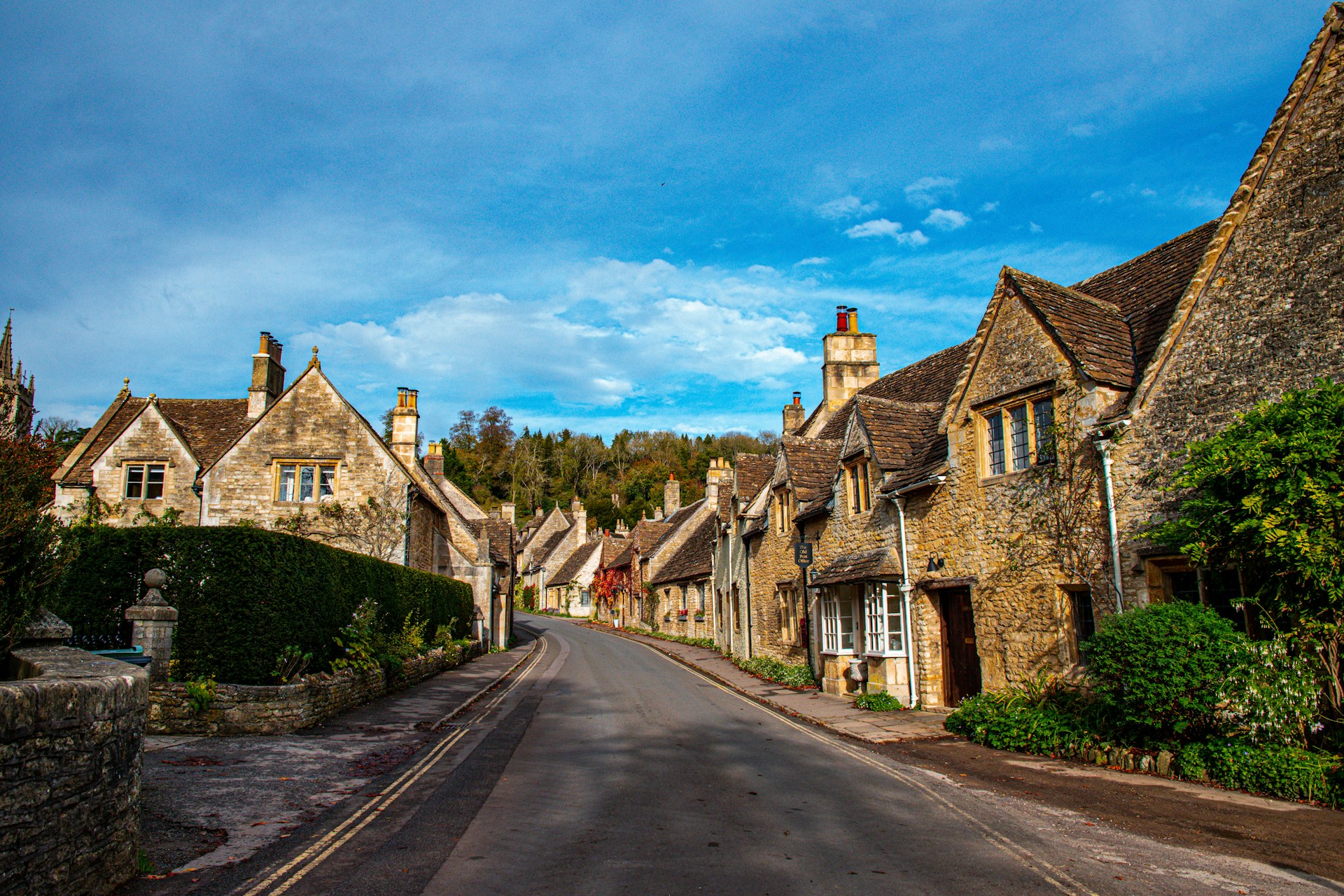
The Cotswolds property market is unlike almost anywhere else in England. Demand consistently outstrips supply, the best properties rarely reach the portals, and buyers who are new to the area routinely find that their assumptions, about pricing, timelines, and what's actually available, do not match reality.
This is not a market where patient browsing on Rightmove leads to the right home. In the most sought-after villages, properties can change hands before any agent board goes up. Relationships, local knowledge, and timing are everything.
This guide is designed to help you understand what you're entering, and how to give yourself the best possible chance of buying well.
Choosing Your Area
The Cotswolds is not one place
One of the most common mistakes buyers make is treating the Cotswolds as a single destination. In reality it is a collection of quite distinct communities, each with its own character, price point, school provision, and commute profile.
Gloucestershire
Cirencester, Tetbury, Stow-on-the-Wold, Stroud, Painswick, and Cheltenham offer the widest variety, from elegant market towns to quiet hilltop villages.
Oxfordshire
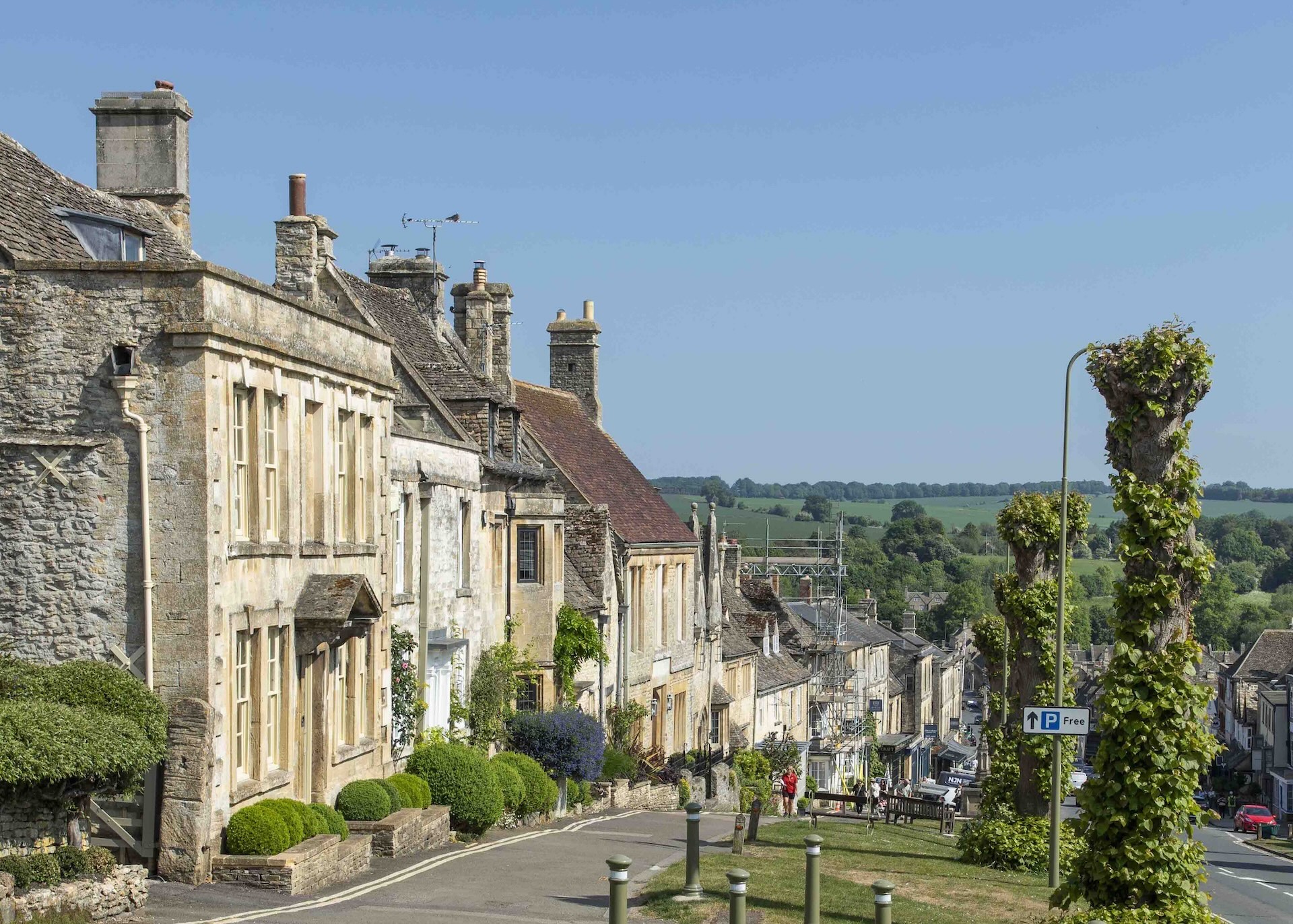
Burford, Chipping Norton, and the villages of the Windrush Valley attract buyers drawn to proximity to Oxford and the M40, and a slightly softer market.
Wiltshire
Castle Combe, Lacock, and the villages west of Chippenham offer extraordinary character with easy access to Bath and the M4, often overlooked by buyers fixated on the north Cotswolds.
Understanding Supply
Why the best homes never reach Rightmove
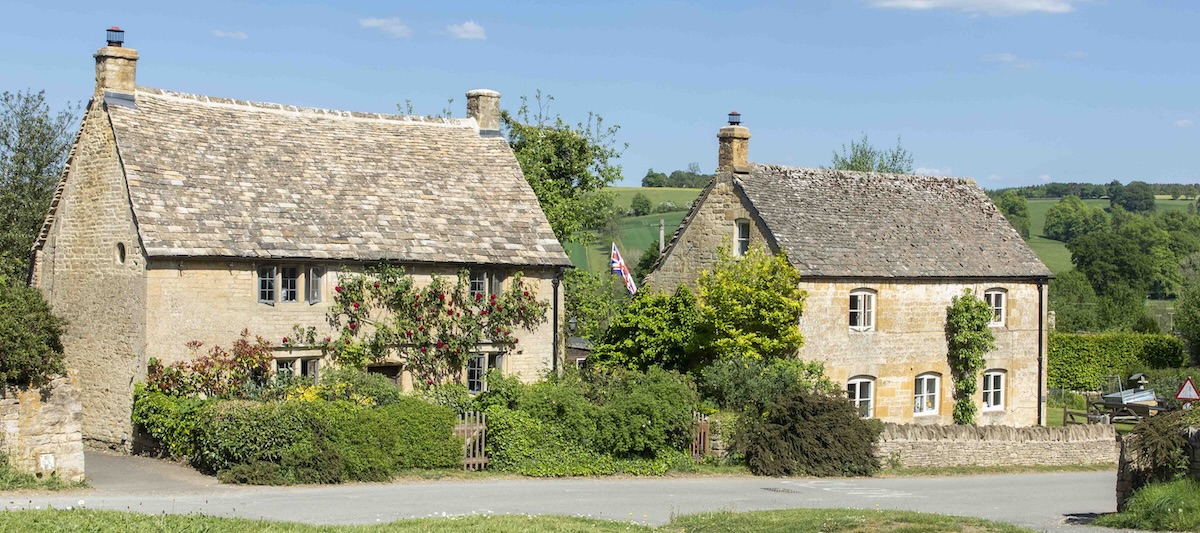
In prime Cotswold villages, a meaningful proportion of properties are sold before any public listing. Vendors, particularly those selling substantial or historic homes, often prefer a discreet sale: no boards, no open viewings, no public record until completion.
These off-market sales happen through trusted agent networks, through direct introductions, and through the relationships that accumulate over years of operating in a small geographical area. They are not accessible to buyers searching online.
A buying agent with genuine local relationships can access this market on your behalf, presenting your requirements discreetly to owners who have not yet decided to sell, or who would consider selling to the right buyer.
What you find on Rightmove vs what's really available
Due Diligence
What to check before you offer
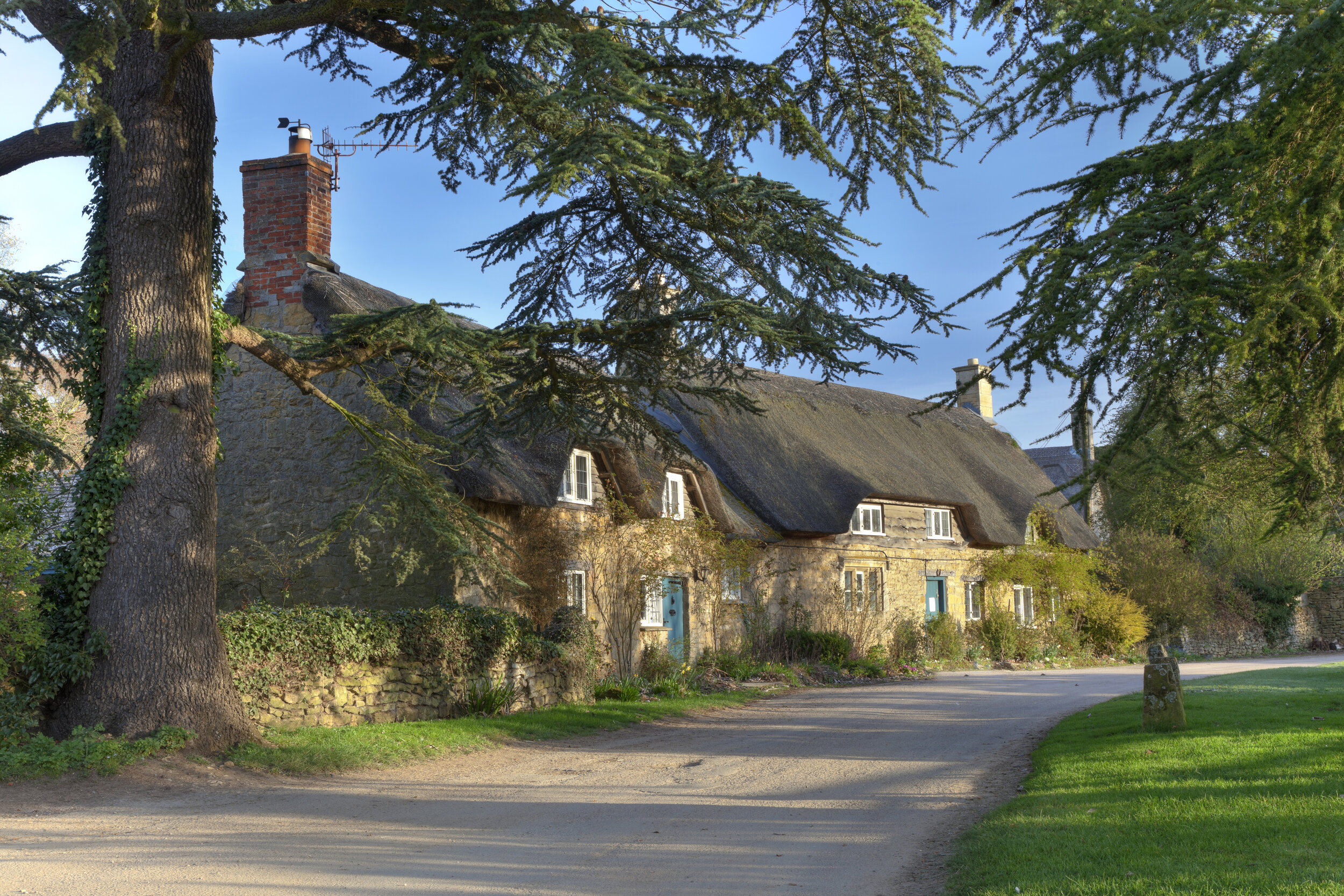
Cotswold properties, particularly older, rural, or listed homes, carry complexities that require careful investigation before any offer is made. Issues that might be minor in a modern suburban property can be costly and restrictive in a Grade II listed farmhouse or a thatched cottage in a conservation area.
I conduct thorough due diligence on every property before advising clients to proceed, and I have seen enough transactions to know what to look for.
Key considerations
- Listed building status and the obligations that come with it
- Conservation area restrictions on alterations and extensions
- Flood risk, particularly near rivers and in low-lying valleys
- Broadband connectivity, critical for remote workers
- Rights of way, footpaths, and public access across private land
- Agricultural ties or overage clauses on rural properties
- Septic tanks and private drainage systems
- Planning history and any live or refused applications
Why Use a Buying Agent
Why experienced buyers work with a buying agent
Estate agents work for the seller. They are contractually bound to secure the best outcome for their client, which is directly at odds with your interests as a buyer. A buying agent works exclusively for you.
The value of that representation is most obvious in negotiation, where experience, market knowledge, and professional distance consistently outperform buyers negotiating on their own behalf. But it is just as valuable in access: the properties I find for clients, and the speed at which I can move, are simply not available to unrepresented buyers.
Ready to start your Cotswolds search?
Book a no-obligation consultation. I will listen first, then tell you honestly how I can help.
Get in Touch